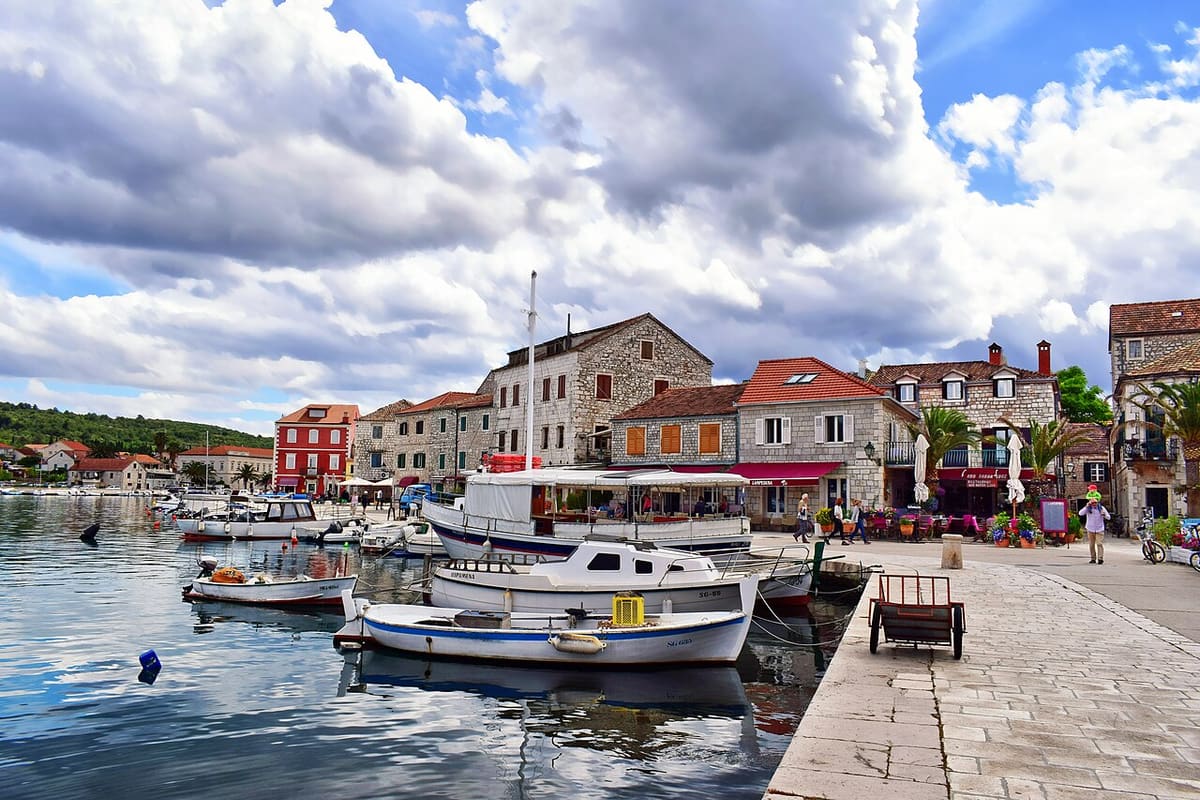
Go in September. If you only read one line: the sea is at its warmest, the crowds have gone home, prices fall off a cliff after the first week, and everything is still open. It is the single best month on Hvar and it is not close.
Late May and June are the runner-up, and better if you would rather walk than swim.
The quick version
| Period | Sea | Crowds | Prices | Verdict |
|---|---|---|---|---|
| Nov–Apr | 14–17 °C | None | Lowest | Island closed — most things not running |
| Late Apr–May | 17–19 °C | Light | Low | Beautiful for walking, cold for swimming |
| June | 21–23 °C | Building | Moderate | Lavender, long days, sea finally warm |
| July | 24–25 °C | Heavy | High | Hot, busy, everything running |
| 1–15 Aug | 25–26 °C | Peak | Peak | The most crowded, most expensive fortnight |
| Late Aug | 25–26 °C | Easing | High | Noticeably calmer than the first half |
| September | 24–25 °C | Light | Falling | The best month |
| October | 21–23 °C | Very light | Low | Lovely, but boats start winding down |
Month by month
April and early May
The island wakes up slowly. Restaurants open through April, ferries move to their summer timetable in late May, and the interior is green in a way it will not be again until winter. Air temperatures sit around 18–21 °C — perfect for the Fortica climb or a full day walking the Stari Grad Plain, which is genuinely unpleasant in August heat.
The sea, though, is 17–19 °C. Some people swim; most do not.
Come now if: you want the UNESCO plain, the fortress and the villages, and you regard swimming as a bonus.
Full guide to Hvar in May — including the ferry timetable change at the end of the month, which catches people out.
Late May and June
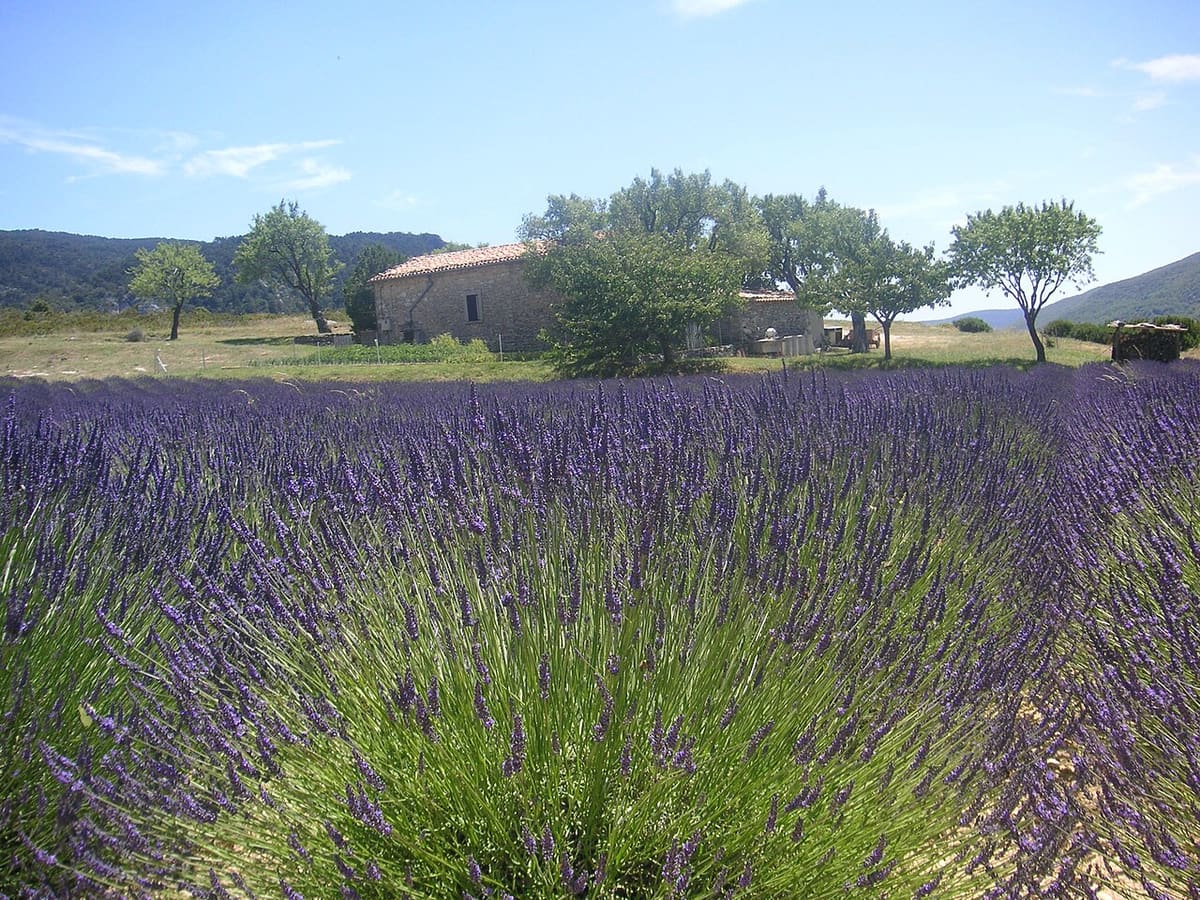
The best-value stretch of the year. By late May the sea has reached about 21 °C, the catamarans are on full schedule, and the island has not yet filled up. June brings the lavender — mid-June to mid-July around Velo Grablje and Brusje — and the longest days of the year, which matters more than people expect when you are trying to fit a boat day and an evening in the old town into the same day.
Prices are moderate rather than low, but availability is real: you can still book a good villa six weeks out.
Full guide to Hvar in June — the lavender window, the sea temperature trade-off, and what is not yet running.
👉 Compare Hvar boat tours for June departures
July
Hot, busy and fully operational. Daytime highs of 30–33 °C, sea at 24–25 °C, every boat running and every restaurant open. The last week of July begins the peak.
July works well if you are here to be on the water — early boat departures beat the heat and the crowds, and the sea is warm enough that swimming stops feel like the point rather than an interlude. It works badly if your plan involves walking around ruins at midday.
The first two weeks of August
The peak of the peak. This fortnight coincides with the Italian ferragosto holidays and the Central European summer break, and Hvar absorbs the result. Expect:
- Catamarans selling out three to five days ahead, and the Sunday-evening returns to Split selling out first.
- Peak accommodation rates — villas that were €390 a night in June are meaningfully more now.
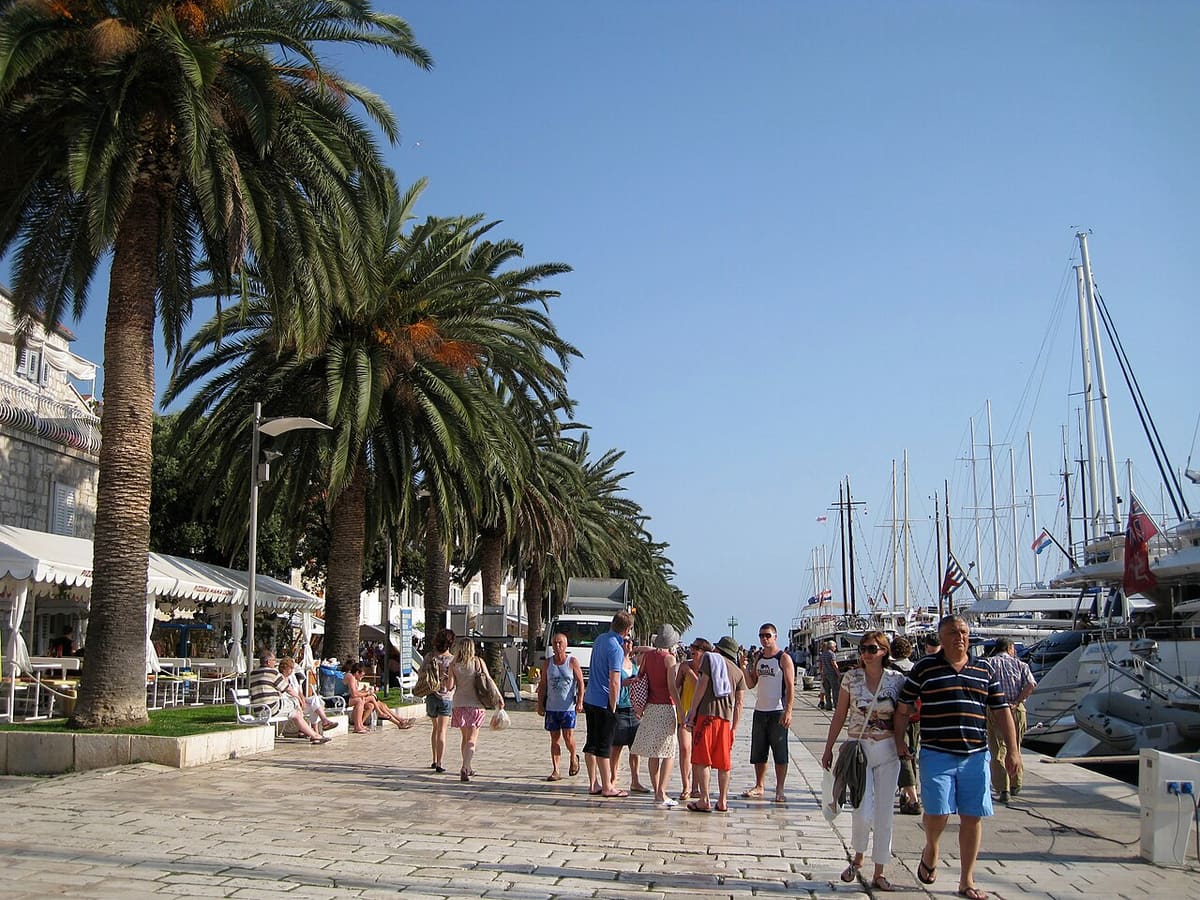
- Hvar Town’s riva genuinely crowded from seven in the evening.
None of this makes it a bad trip. It makes it the most expensive and most crowded version of the trip. If these are your only possible dates, book everything — boat, ferry, villa — as far ahead as you can, and consider basing in Stari Grad or Jelsa and coming into Hvar Town for evenings rather than the other way round.
Late August
Noticeably better than early August and priced almost the same. The Italian holiday wave recedes after the 15th, the sea is at its annual maximum, and you can usually get a ferry two days out rather than five.
September — the best month
Everything that makes August good, without what makes August hard.
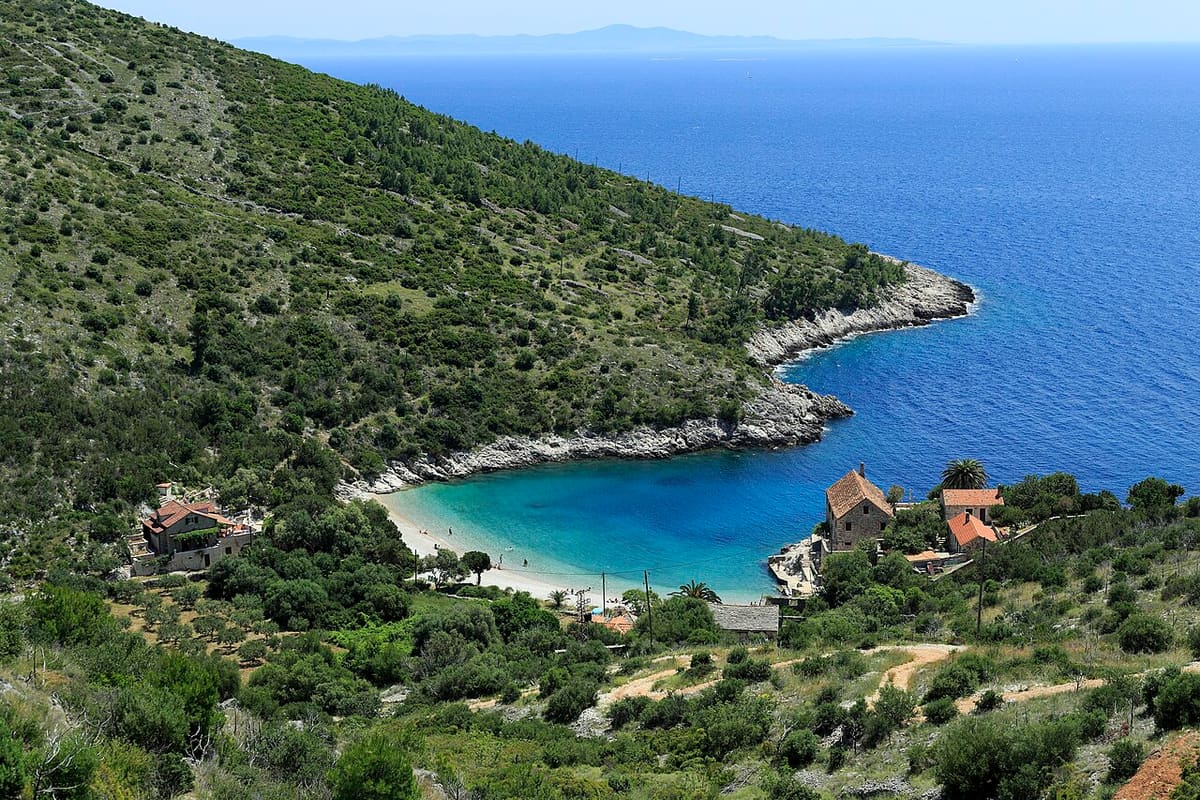
- The sea is still 24–25 °C. The Adriatic holds its heat; September swimming is better than June swimming.
- The crowds thin from the first week and are gone by the second.
- Prices fall sharply after the first week — this is the largest single price step of the year.
- Everything is still open. Boats, restaurants, wine cellars, water taxis: full service through the month.
- The light is better. Lower sun, softer evenings, and the harbour at golden hour is at its best.
The only real trade-off is that the wine harvest occupies the growers, so some cellar visits are less relaxed than in June — and the last week of the month is when boat operators start closing.
Full guide to Hvar in September — week by week, including where in the month the prices actually drop.
👉 Check September wine tastings and cellar visits
October
Quietly excellent for the first half. Air around 22–24 °C, sea still 21–23 °C, almost nobody about, and accommodation at genuinely low rates. The catch is that boat operators begin closing from mid-month and ferry sailings thin out, so the Blue Cave day may simply not be available. Check before you build a trip around it.
Full guide to Hvar in October — week by week, and what is still running when.
November to April
The island closes. Most hotels and restaurants shut, boat tours stop entirely, and Jadrolinija drops to a winter timetable. Hvar Town in January is a few hundred residents and a handful of open cafés.
It is atmospheric, and it is cheap, and essentially nothing that draws visitors to Hvar is running. Go only if an empty Adriatic island is itself the point.
Three things that override the calendar
The maestral. From roughly June to September a north-westerly builds through the afternoon. It is why every experienced local books morning boat departures and morning ferry crossings — the sea is flatter and cancellations are rarer. This matters more to your day than which month you pick.
Where you sleep. August in Stari Grad is calmer than June in Hvar Town. If your dates are fixed and busy, change your base rather than your month — see Hvar Town vs Stari Grad.
Which boat you book. Peak-season ferry planning is its own problem, and getting it wrong costs a day. The Split to Hvar ferry guide covers the catamaran-versus-car-ferry decision, which is not obvious and not reversible.
So when should you go?
- Best overall: the second half of September.
- Best value: late May and early June.
- Best for swimming: late August into early September.
- Best for walking and heritage: late April to early June, or October.
- Best for lavender: the last week of June.
- Avoid if you can: 1–15 August, unless the water is the whole point and you have booked everything months ahead.
Once the month is settled, the next question is how far ahead each piece of the trip needs to be held — villas run three to four months, ferries two to three weeks, boat tours a few days. When to book everything for Hvar sets out the whole order.
Still working out length rather than timing? See how many days you need on Hvar.